Mice can enter a home through surprisingly small openings, turning a comfortable living space into a place where scratching sounds, droppings, and damaged belongings become ongoing concerns. Simply setting traps may reduce the number of rodents inside, but new mice can continue entering if gaps around pipes, doors, vents, rooflines, and foundations remain open. To seal up your house effectively, you need to identify these access points, close them with durable materials, and remove the food and shelter that attract rodents. One Source Pest Services offers rodent removal and prevention services to help homeowners address infestations and reduce the likelihood of mice returning. With a thorough inspection and a consistent prevention plan, you can make your home less accessible to unwanted rodents.
Why Mice Keep Finding Their Way Inside
Mice enter buildings in search of food, water, and shelter. Wall cavities, attics, garages, basements, and spaces behind appliances can provide protected areas where they hide and nest. Even a well-maintained home may have small openings around utility lines or exterior construction joints that are easy to overlook.
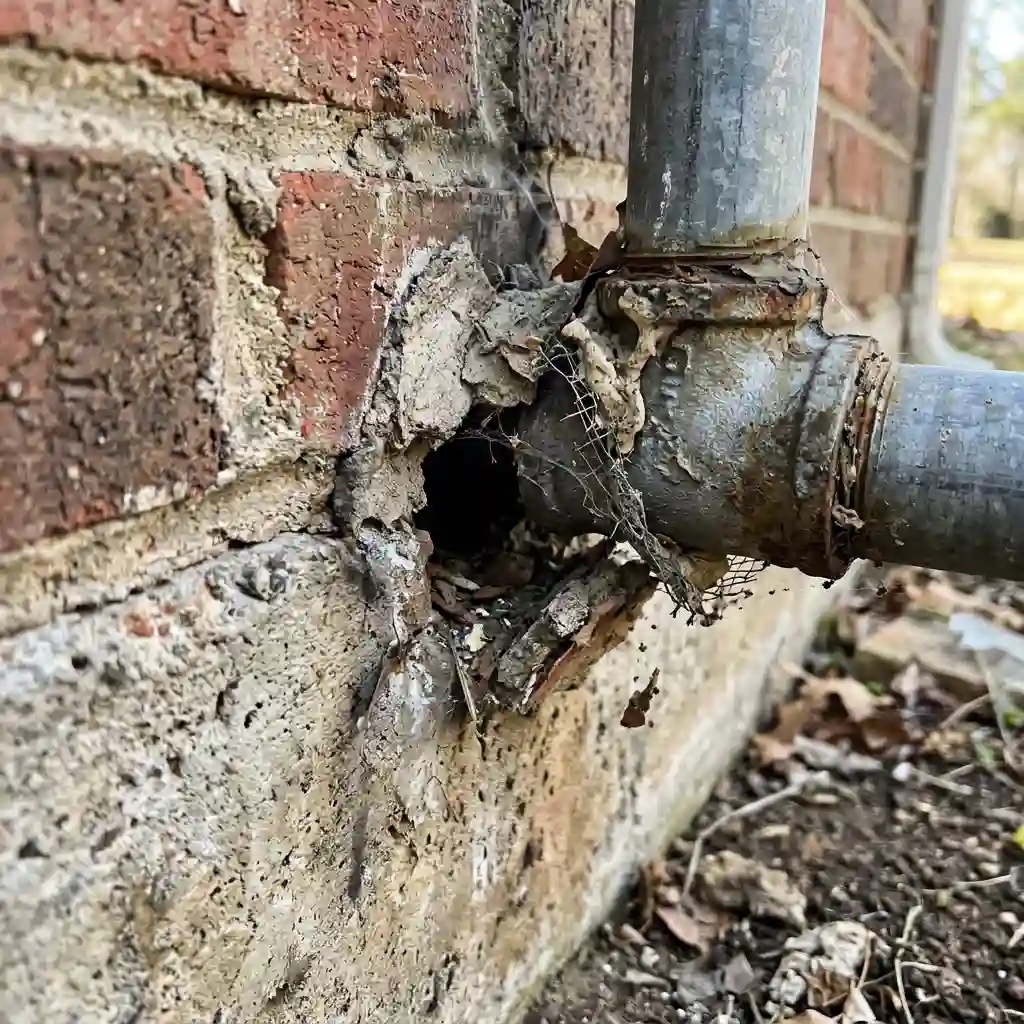
Mice can squeeze through gaps roughly a quarter of an inch wide, so a hole that looks insignificant may still provide access. Common entry points include openings around plumbing pipes, gaps beneath exterior doors, damaged window screens, attic vents, and cracks where different building materials meet.
Outdoor conditions can also influence rodent activity. Overgrown vegetation, clutter near the foundation, uncovered rubbish, and accessible pet food can make the area around a house more attractive. Once mice discover an entry route, they may repeatedly use it until the opening is properly closed.
The key is to inspect the whole structure rather than focusing only on the room where you noticed activity. A mouse seen in the kitchen may have entered through the garage, attic, or an opening along the exterior wall.
Inspect These Common Mouse Entry Points
A systematic inspection helps you find vulnerabilities before sealing them. Begin at ground level and work around the exterior, then check accessible indoor areas where signs of rodent activity appear.
Doors and Windows
Check exterior doors, garage doors, and window frames for gaps. Worn weatherstripping, damaged seals, and spaces beneath doors can create easy access. Install suitable door sweeps and replace damaged weatherstripping where necessary. Repair torn window screens, and ensure vents and openings have appropriate rodent-resistant covers.
Pay particular attention to garage doors, where uneven surfaces or damaged bottom seals can leave gaps near the floor.
Plumbing Pipes, Cables, and Utility Lines
Pipes and cables often pass through walls, floors, and foundations, leaving small spaces around them. Inspect these areas in kitchens, laundry rooms, utility closets, and garages.
Use a sealing method suitable for the surrounding material and the type of penetration. Openings near electrical equipment, gas lines, or plumbing systems may require a qualified professional to avoid damaging essential services.
Rooflines, Attics, and Vents
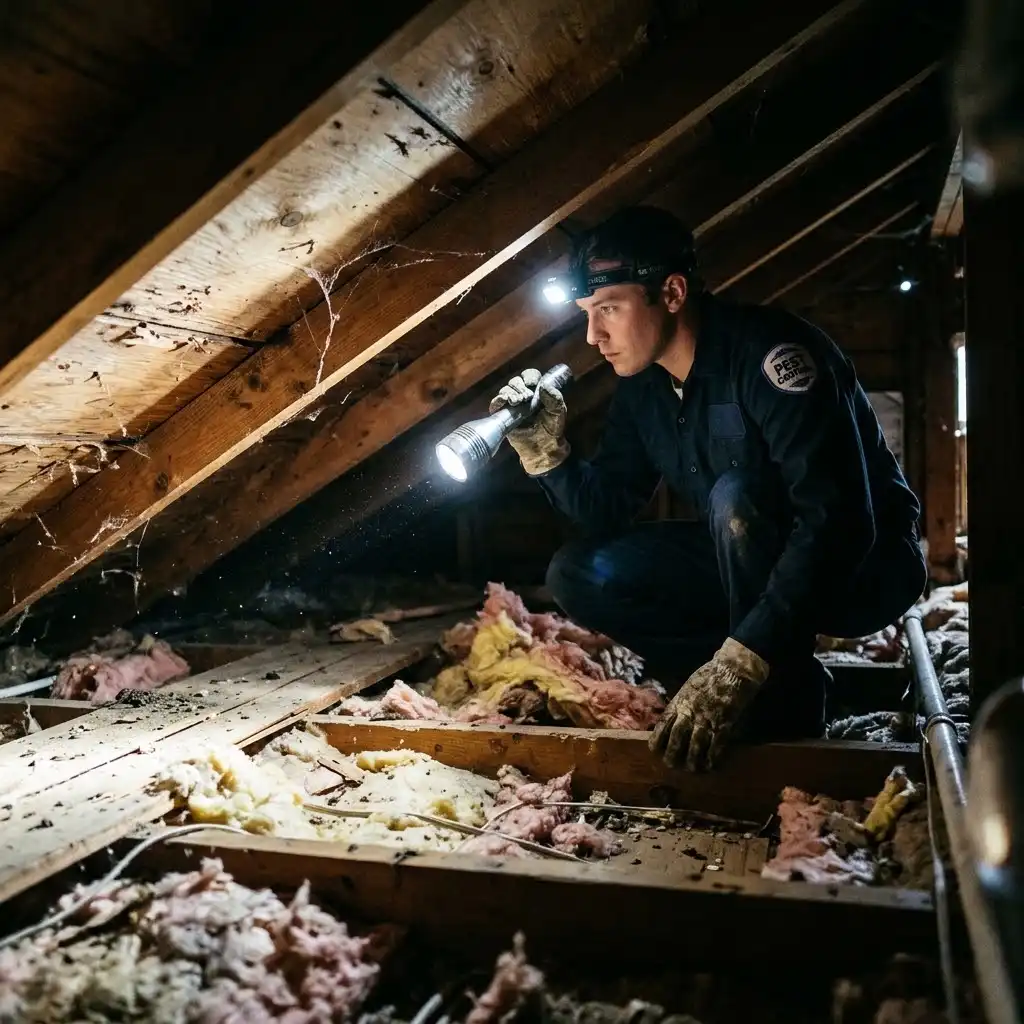
Mice can enter through damaged soffits, loose roof materials, gaps around vents, and openings where cables or other services enter the building. Inspect accessible attic spaces for droppings, shredded nesting material, gnaw marks, or disturbed insulation.
Use suitable metal mesh or rodent-resistant vent covers that preserve necessary ventilation. Roof inspections can involve fall hazards, so leave difficult or elevated areas to qualified professionals.
Foundations and Exterior Walls
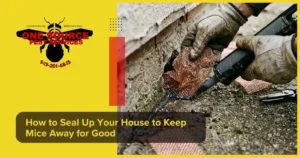
Look for cracks, deteriorating mortar, damaged siding, and gaps around foundation penetrations. Some openings may require mortar, metal materials, or building repairs rather than a simple bead of caulk.
Remember that sealing one visible hole may not solve the problem if other access points remain open.
Choose Materials That Mice Cannot Easily Chew Through
Using the right material is just as important as finding the hole. Mice can gnaw through some soft or lightweight materials, so a quick patch may not provide lasting protection.
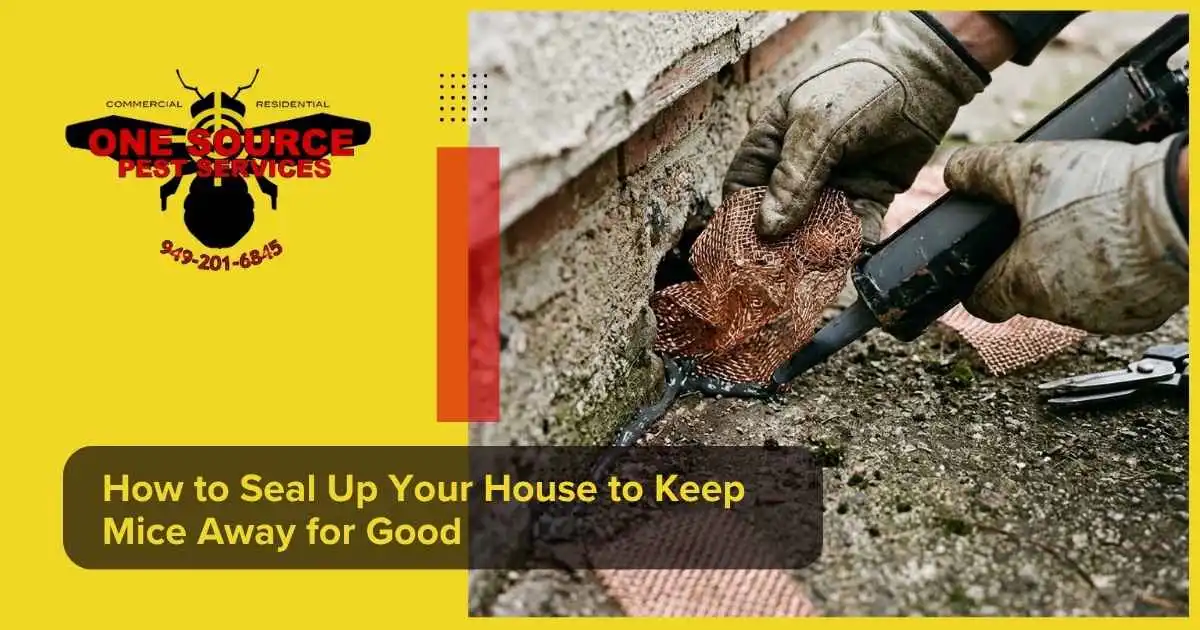
For small gaps, an appropriate sealant may work when used with a rodent-resistant backing material where needed. Larger openings may require metal flashing, galvanized hardware cloth, mortar, or other durable construction materials suited to the location.
Expanding foam alone should not be relied upon as a rodent-proof barrier because mice may chew through it. Similarly, loose mesh or poorly secured patches can leave openings that rodents can exploit.
Before starting repairs, consider the following:
- Small cracks: Use a compatible sealant or suitable repair compound for the surface.
- Larger openings: Consider durable materials such as mortar, sheet metal, or properly secured hardware cloth.
- Ventilation openings: Use appropriately sized, securely fitted rodent-resistant screening without blocking airflow.
- Door gaps: Install correctly fitted door sweeps or replace worn seals.
- Damaged construction materials: Repair the underlying damage instead of covering it temporarily.
The method should suit the opening, surrounding construction, and any moisture or ventilation requirements. If an opening is near wiring, gas lines, or other essential services, get professional guidance before sealing it.
Remove the Conditions That Attract Mice
Sealing entry points is a central part of rodent prevention, but mice may continue searching for access if food, water, and shelter are readily available around the property. Reducing these attractants makes your home less inviting.
Store dry foods, grains, birdseed, and pet food in sturdy containers with tight-fitting lids. Clean crumbs and spills promptly, including beneath refrigerators, stoves, and cabinets. Use rubbish bins with secure lids and avoid leaving food waste exposed overnight.
Repair leaking pipes and taps where possible, and remove standing water when practical. Keep storage areas organized so signs of rodent activity are easier to identify.
Outside, reduce clutter near exterior walls and store firewood away from the house. Trim vegetation that touches the siding or roof, and avoid allowing piles of unused materials to become sheltered nesting areas. These steps help reduce hiding places and make the building easier to inspect.
Why Traps Alone May Not Keep Mice Away
Traps can help control rodents already inside, but they do not prevent new mice from entering through unsealed openings. If the access problem remains, catching one mouse may simply leave room for another to follow.
A lasting approach combines appropriate removal methods with exclusion, sanitation, and monitoring. One Source Pest Services provides rodent removal for homes and businesses and lists attic cleanouts and insulation removal and replacement among its services. These options may be relevant when rodents have established activity in concealed spaces or contaminated attic materials need attention.
If you continue hearing scratching, finding fresh droppings, or noticing damaged insulation after setting traps, there may be additional rodents or entry points that have not been addressed.
Avoid sweeping or vacuuming dry rodent droppings, which can release contaminated particles into the air. Follow public health guidance for cleanup or seek professional help when contamination is extensive or difficult to access.
How One Source Pest Services Can Help
Finding every mouse entry point can be difficult because some openings are concealed behind stored belongings, roof materials, insulation, or utility connections. A professional inspection can help identify likely access routes and determine whether rodents are active in the attic, garage, crawl space, or other areas.
One Source Pest Services offers rodent removal and prevention services in Orange County, California, including communities such as Irvine, Costa Mesa, Lake Forest, and Newport Beach. Its services also include attic cleanouts and insulation removal and replacement when needed.
The company can help property owners address rodent activity and consider measures to reduce repeat access. Depending on the inspection findings, a plan may involve trapping, sealing suitable entry points, addressing attractants, and arranging follow-up monitoring.
Professional support can be especially helpful when rodents are repeatedly returning, signs appear in multiple areas, or access points are difficult to reach safely. The appropriate solution depends on the building and the extent of the infestation.
Keep Mice Out With a Consistent Prevention Plan
To keep mice away for the long term, inspect your home’s exterior regularly, repair damaged screens and seals, close openings with durable materials, and maintain clean food storage areas. Check attics, garages, and utility spaces for signs of renewed activity, especially after completing repairs.
If you discover an infestation, remember that sealing openings and removing rodents are complementary steps. Closing access points without considering rodents already inside may leave an existing problem unresolved, while trapping alone may allow new mice to enter.
One Source Pest Services helps homeowners address rodent problems through removal, attic-related services, and prevention-focused recommendations. If mice keep returning despite your efforts, a professional inspection can help identify the underlying cause and determine the next steps.
Call (949) 201-6845 or contact One Source Pest Services to discuss your rodent concerns. By combining durable repairs, good sanitation, and appropriate pest control, you can make your home much harder for mice to enter and establish themselves.