Waking up with unexplained itchy spots or noticing tiny marks on your sheets can leave you wondering whether bed bugs have entered your bedroom. These small, reddish-brown insects hide in narrow spaces around sleeping areas, making an early infestation easy to overlook. Although mattresses are common hiding places, bed bugs can also live in box springs, bed frames, headboards, and nearby furniture. Recognizing the early signs of Bed Bugs can help you take action before the infestation spreads. One Source Pest Services offers professional bed bug treatment to help homeowners address infestations and restore comfort to their living spaces. Knowing what to look for and where to inspect is an important first step.
1. Small Rust-Colored or Reddish Stains on Your Sheets
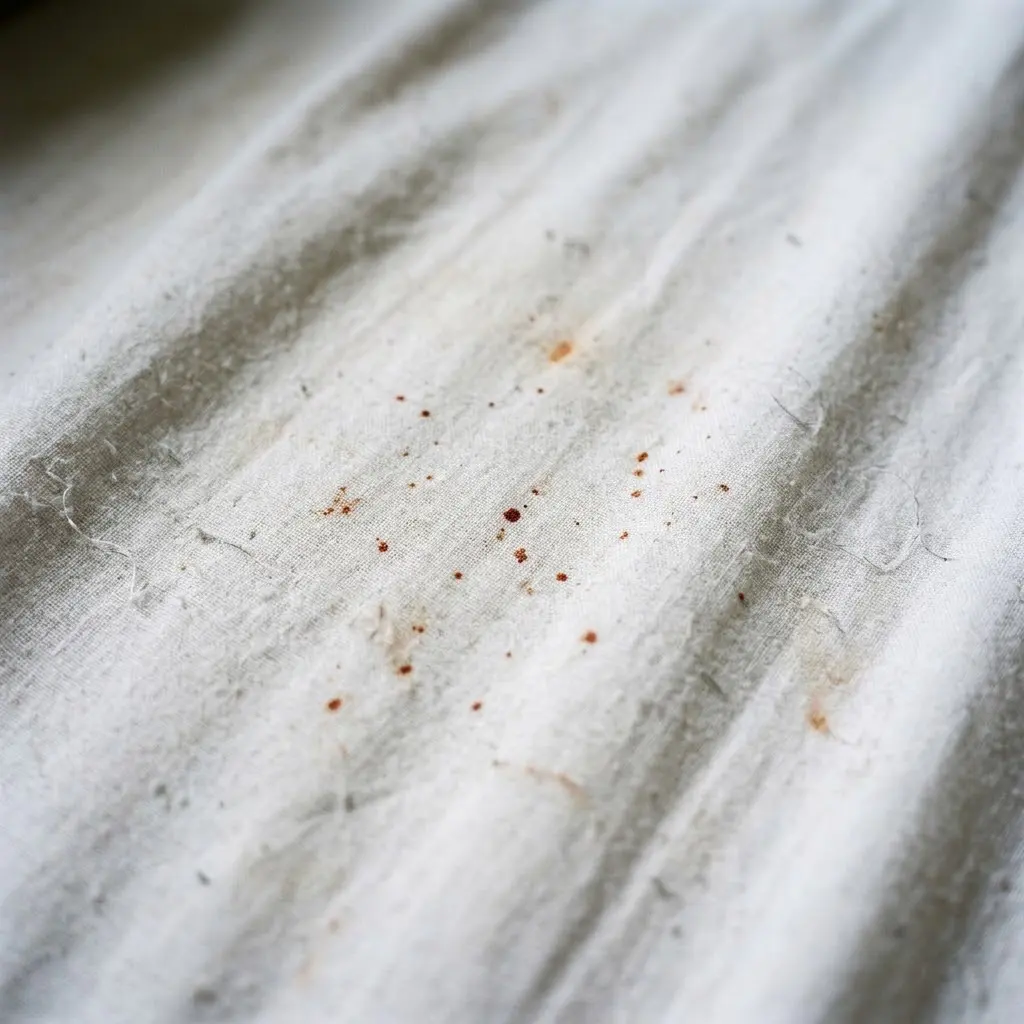
One early warning sign is finding tiny reddish or rust-colored spots on your sheets, pillowcases, or mattress. These marks can occur when a bed bug is crushed after feeding, leaving a small blood stain on the fabric.
Check the areas where you sleep most often, particularly around the edges of the mattress and near the pillows. Look for several small spots rather than assuming that one mark confirms an infestation. Similar stains can have other causes, so additional evidence is important.
If you notice recurring spots alongside other signs, inspect the mattress seams, bed frame, and nearby furniture carefully. Early identification can help you determine whether professional pest control is needed.
2. Tiny Dark Spots Along Mattress Seams
Dark brown or black specks along mattress seams can be another warning sign. These marks may be bed bug droppings, which can appear like tiny ink spots on fabric. They may also occur around mattress tags, piping, folds, and stitching.
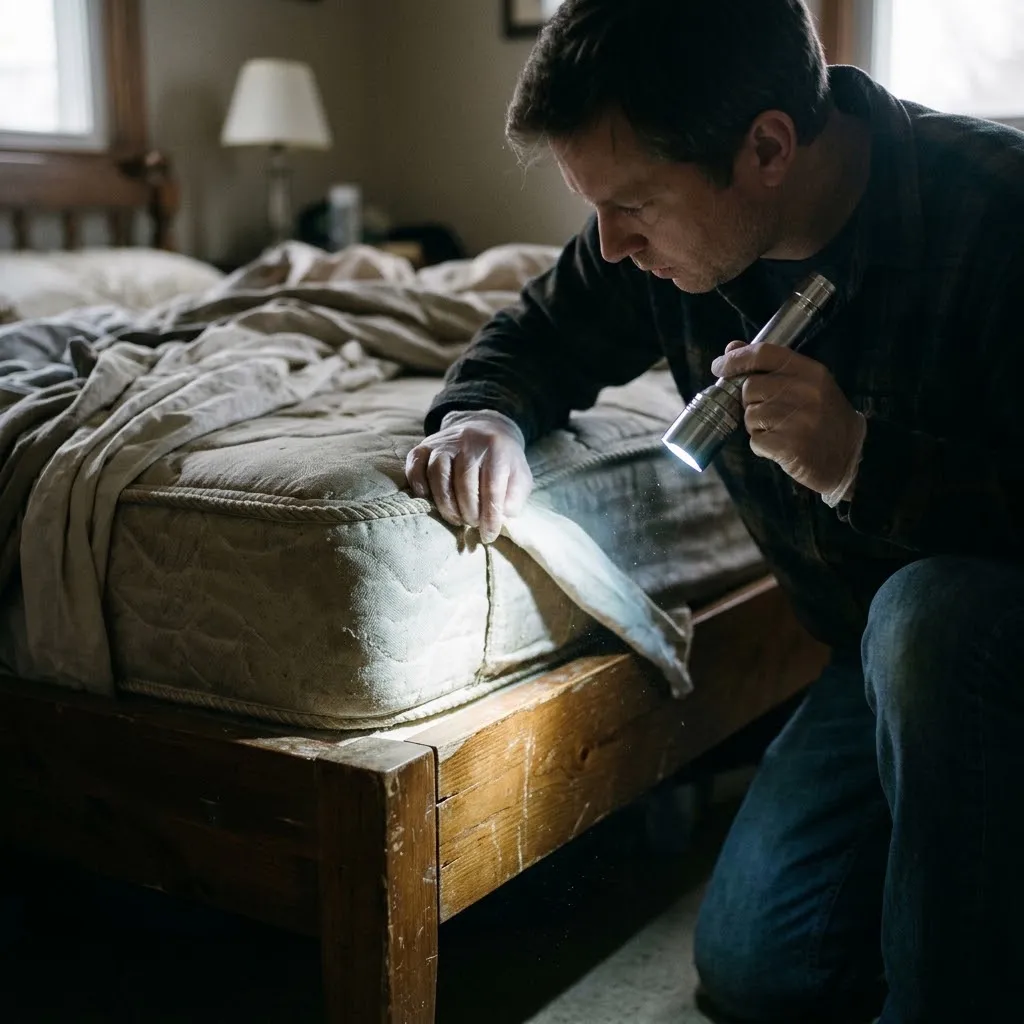
Use a flashlight to inspect the seams and edges carefully. Check the underside of the mattress if you can move it safely, and examine the box spring and bed frame as well. Bed bugs prefer narrow hiding places, so a quick glance at the center of the mattress may not reveal them.
Dark marks alone are not definitive proof of bed bugs. However, if you find clusters of suspicious spots alongside shed skins, eggs, or live insects, arrange a more thorough inspection.
3. Live Bed Bugs Hiding in Mattress Folds
Seeing a live bed bug is one of the clearest signs of an infestation. Adult bed bugs are small, flat, oval-shaped insects that are usually reddish-brown. Younger bed bugs are smaller and can be pale or translucent, making them harder to spot.
Inspect the seams, piping, labels, and folds of the mattress. Bed bugs may also hide in the joints of the bed frame, behind the headboard, and inside the box spring. They generally stay hidden during the day and become active when a host is nearby.
Avoid assuming that every small insect found on bedding is a bed bug. If possible, capture a specimen in a sealed container or take a clear close-up photograph for identification. Correct identification helps prevent unnecessary treatment for the wrong pest.

4. Tiny White Eggs or Shed Insect Skins
Bed bug eggs and shed skins can reveal an infestation even when live insects are difficult to find. Eggs are tiny, pale, and oval-shaped, while shed skins resemble empty insect shells left behind as bed bugs grow.
Look closely around mattress seams, under fabric labels, along the bed frame, and in crevices near the headboard. A flashlight can help reveal these signs in dark or narrow spaces.
Finding several eggs or shed skins in a sleeping area is a reason to investigate further. Bed bugs reproduce over time, so discovering an infestation early can help limit how far it spreads throughout the bedroom.
Do not assume that changing the sheets or vacuuming the visible surface will eliminate the problem. Bed bugs can remain hidden in areas that ordinary cleaning does not reach.
5. Itchy Marks Appearing After Sleep
Waking up with itchy red bumps may raise concerns about bed bugs. Some people develop bite marks on exposed areas such as the arms, hands, neck, and face. The marks may appear in groups or lines, but their appearance varies from person to person.
However, bites alone cannot confirm that bed bugs are present. Mosquitoes, fleas, and other causes can produce similar skin reactions, and some people do not develop noticeable marks after being bitten.
If you repeatedly notice unexplained bites after sleeping, inspect your mattress and surrounding furniture for physical evidence. If the skin reaction is severe, appears infected, or causes significant discomfort, seek medical advice.
The important step is to investigate the source rather than relying only on skin symptoms to identify the pest.
6. A Musty Odor Around the Bed
A persistent, unusual musty or slightly sweet odor in a bedroom can sometimes accompany a heavier bed bug infestation. The insects produce chemical compounds that contribute to their scent, although not everyone can detect it.
An odor by itself is not a reliable way to diagnose bed bugs. Dampness, dirty laundry, and other sources can produce similar smells. Nevertheless, if an unfamiliar odor occurs alongside dark mattress spots, shed skins, or live insects, it is worth investigating.
Check the mattress, box spring, headboard, and nearby upholstered furniture. Avoid spraying fragrances or household chemicals into the mattress to mask the smell, since this will not eliminate a pest infestation.
Where Else Should You Look for Bed Bugs?
Although the mattress is an important place to inspect, bed bugs do not necessarily stay inside it. They can hide close to their feeding area in tiny cracks and crevices throughout the bedroom.
Check these locations during your inspection:
- Box spring: Examine seams, fabric coverings, corners, and the underside.
- Bed frame and headboard: Look inside joints, screw holes, cracks, and narrow gaps.
- Bedside tables: Inspect drawer joints and the undersides of furniture.
- Upholstered chairs and sofas: Check seams, folds, and cushion edges, especially if people sleep there.
- Baseboards and nearby cracks: Look for insects or dark spotting in gaps near the bed.
Bed bugs can also travel into other rooms by hiding in luggage, clothing, bedding, and used furniture. Avoid moving potentially infested items from room to room, as this may spread the problem.
What Should You Do if You Find Signs of Bed Bugs?
If you suspect bed bugs, avoid panicking or immediately throwing away your mattress. Discarding furniture does not necessarily eliminate an infestation, because insects may remain in the bed frame, nearby furniture, or other parts of the room.
Instead, take these steps:
- Document what you find. Photograph suspicious insects, stains, eggs, or shed skins so they can be identified.
- Limit the movement of belongings. Avoid carrying bedding, clothing, and furniture into other rooms without containing them properly.
- Handle bedding carefully. Place affected washable items in sealed bags before transporting them to the laundry. Use a hot dryer cycle appropriate for the fabric and item, following care instructions.
- Avoid unverified chemical treatments. Do not apply household pesticides to mattresses unless the product label explicitly permits that use. Foggers and random sprays may fail to reach hiding places and can create safety risks.
- Arrange a professional assessment. A pest control professional can confirm the likely infestation, inspect hiding places, and recommend an appropriate treatment plan.
Early action matters because bed bugs are difficult to eliminate with surface cleaning alone.
How One Source Pest Services Can Help
Finding a few suspicious spots does not always mean you have a confirmed bed bug infestation. Professional identification can help distinguish bed bugs from other insects and determine how extensive the problem may be.
One Source Pest Services offers bed bug treatment as part of its residential and commercial pest control services. The company serves Newport Beach and surrounding Orange County communities, including Irvine, Costa Mesa, Lake Forest, and Mission Viejo. Its service approach emphasizes property assessment, treatment plans tailored to the situation, and attention to family and pet safety.
A professional bed bug treatment plan may involve inspecting sleeping areas and nearby furniture, identifying hiding places, applying appropriate treatments, and recommending preparation steps or follow-up inspections. The specific approach depends on the property, the level of infestation, and the treatment method selected.
Because bed bugs hide in narrow spaces and may survive in untreated areas, treating only the visible mattress surface is unlikely to be sufficient. Professional guidance can help address the broader sleeping area and reduce the chance of overlooking hidden insects.
Protect Your Bedroom by Acting Early
The top early signs of Bed Bugs include rust-colored stains, tiny dark spots, live insects, pale eggs, shed skins, and unexplained bites after sleeping. No single symptom necessarily confirms an infestation, but several signs appearing together should prompt a closer inspection.
Regularly checking mattress seams, bed frames, and nearby furniture can help you notice problems sooner. If you discover convincing evidence of bed bugs, avoid spreading potentially infested items and seek an appropriate treatment plan.
One Source Pest Services provides professional bed bug treatment to help homeowners address infestations and protect their sleeping spaces.
Call (949) 201-6845 or contact One Source Pest Services to discuss your concerns and request a free inspection. Identifying bed bugs early and treating the affected areas properly can help you work toward a more comfortable, pest-free bedroom.