Discovering rats or mice inside your home can quickly become stressful. You might hear scratching behind the walls, find droppings in a cupboard, or notice damaged food packaging in the pantry. Many homeowners start with store-bought traps, hoping to solve the problem quickly. However, DIY Rodent Traps do not always eliminate an infestation because rodents can hide in inaccessible spaces, use multiple entry points, and avoid poorly positioned traps. Even when a trap catches one animal, others may remain active nearby. One Source Pest Services provides professional rodent removal and prevention services designed to address rodent activity and help reduce the risk of recurring problems. Understanding why common trapping methods fall short can help you choose a more effective approach to protecting your property.
Why DIY Rodent Traps Often Fail
DIY traps can catch rodents when they are selected and placed appropriately, but they are not guaranteed to resolve an entire infestation. The main challenge is that catching a rodent and eliminating the conditions that allow rodents to enter are two different tasks.
Traps May Be Placed in the Wrong Locations
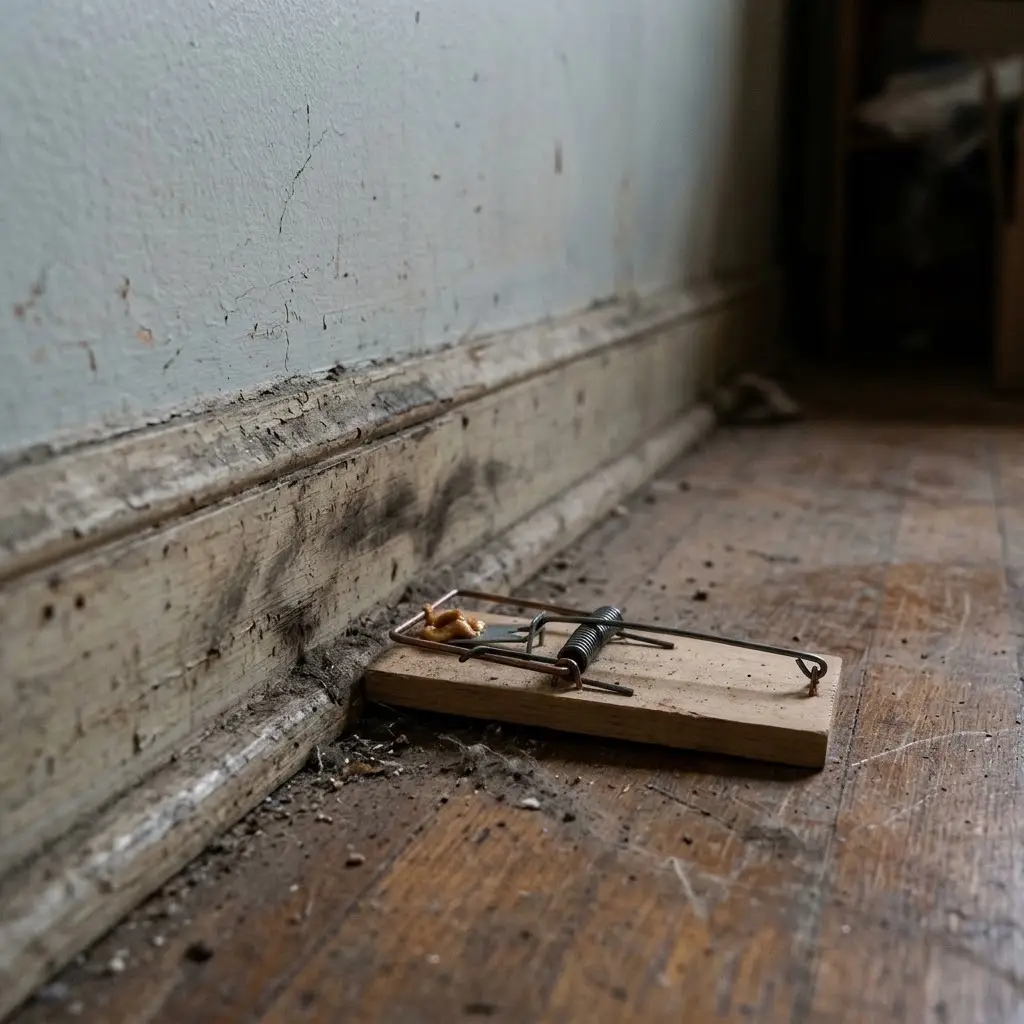
Rodents often travel along walls, behind stored items, and through concealed spaces. Placing a trap in the middle of an open room may not intercept their usual routes. A trap can remain untouched simply because rodents are moving elsewhere.
Effective placement requires identifying signs of activity, such as droppings, gnaw marks, and rub marks along surfaces. Areas near suspected travel paths may be more suitable than random locations, but care is essential in homes with children or pets.
One Trap Cannot Address Every Rodent
Finding one mouse or rat does not necessarily mean it is the only animal inside. Rodents may occupy attics, crawl spaces, garages, wall cavities, or storage areas simultaneously. A single trap might catch one animal while others continue moving through the property.
When activity occurs in multiple locations, a broader inspection can help determine the likely extent of the problem and the appropriate control strategy.
Rodents May Avoid Unfamiliar Objects
Rats can be cautious around unfamiliar objects and may avoid newly introduced traps. Incorrect placement, unsuitable bait, or frequent disturbance can also reduce the chance of a trap working as intended.
Changing products repeatedly without identifying the rodents’ movement patterns may waste time while the underlying problem continues. A systematic approach is more useful than relying on trial and error.
Hidden Entry Points Keep the Problem Going
One of the biggest reasons DIY rodent control fails is that traps address the animals already inside without necessarily preventing new rodents from entering.
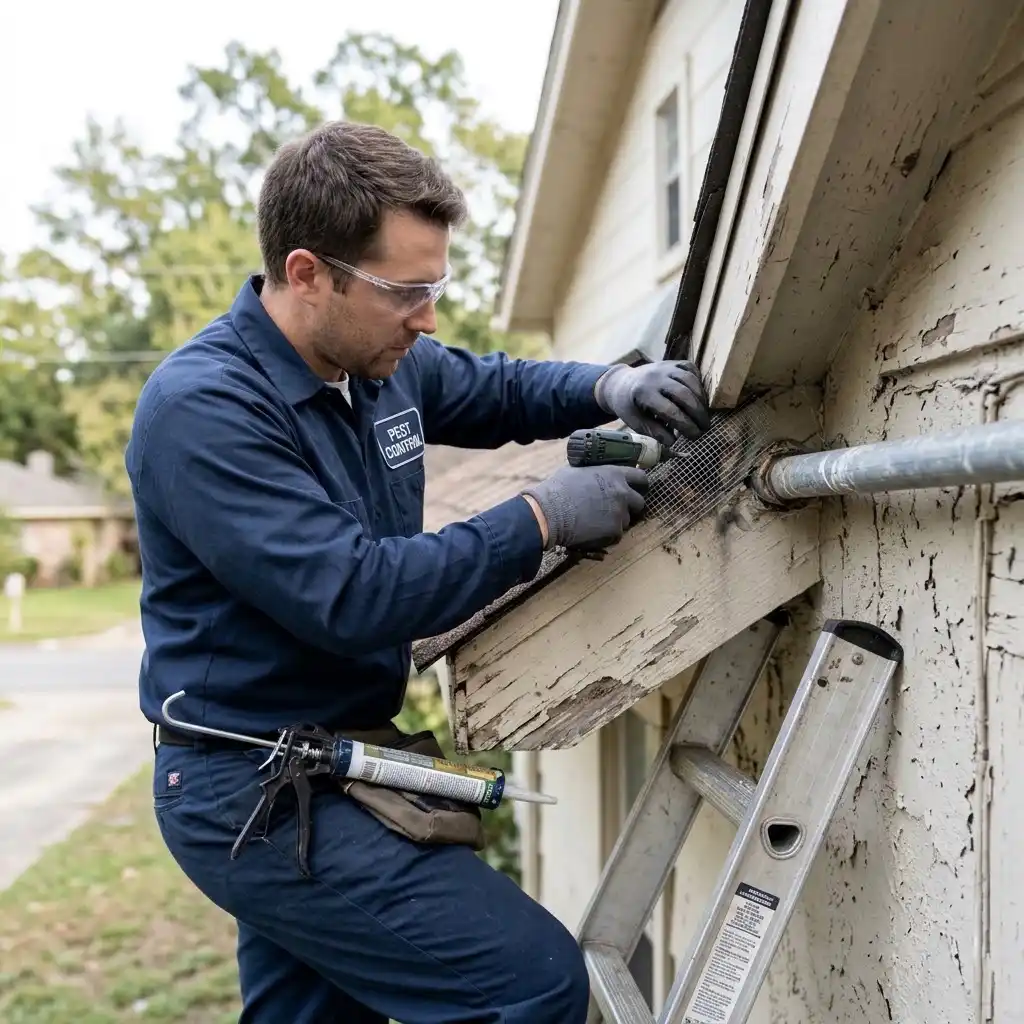
Small gaps around utility pipes, damaged vents, roofline openings, garage doors, and foundation joints can provide access. Rats and mice may use different openings, and some entry points are difficult to see without a careful inspection.
Even after a successful trapping effort, rodents may return if these openings remain accessible. Sealing entry points with suitable rodent-resistant materials is therefore an important part of long-term prevention.
One Source Pest Services emphasizes property assessments and prevention as part of its pest control approach. Its rodent removal service can help homeowners investigate where rodents are active and determine which access points may need attention.
Why Store-Bought Bait and Poison Can Create Additional Problems
Some homeowners try rodent bait or poison after traps fail. These products must be used carefully because improper placement or application can expose children, pets, and wildlife to harmful substances.
Rodents may also die in inaccessible wall cavities or other concealed areas, potentially creating persistent odors and requiring difficult cleanup. Bait products do not close entry points, remove nesting materials, or correct conditions that attract rodents.
If rodenticides are considered necessary, follow the product label and applicable regulations, and use professionally managed bait stations where appropriate. Never assume that placing poison around a property is a complete solution.
A professional can assess the infestation and recommend a control method suited to the property, considering safety, rodent activity, and prevention needs. Depending on the situation, trapping, exclusion, sanitation improvements, and carefully managed bait stations may be used as part of a coordinated plan.
Signs You Need Professional Rodent Removal
It may be time to seek professional help when DIY efforts do not resolve the problem or when signs suggest rodents are established in concealed areas.
Look for these warning signs:
- Repeated scratching sounds: Noises behind walls or above ceilings may indicate ongoing activity.
- Fresh droppings: New droppings appearing after trapping suggest that rodents may still be present.
- Repeated sightings: Seeing rodents in different rooms or on multiple days can indicate a persistent problem.
- Damaged insulation: Disturbed attic insulation or shredded nesting materials may point to hidden rodent activity.
- Chewed materials: Gnaw marks on packaging, wood, plastic, or other surfaces may indicate active feeding or movement.
- Recurring odors: Unusual smells in enclosed areas may result from nesting materials, droppings, or a dead rodent.
These signs do not always reveal how many rodents are present or where they are nesting. A thorough assessment can help establish the next steps rather than relying on guesswork.
How Professionals Approach Rodent Problems Differently
Professional rodent control focuses on more than setting traps. The goal is to understand how rodents are entering, where they are active, and what needs to change to prevent the problem from returning.
A Thorough Property Inspection
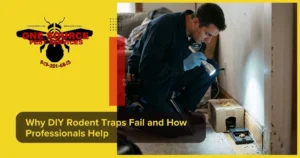
A professional inspection can examine areas where rodent activity commonly occurs, including attics, garages, crawl spaces, utility openings, and exterior walls. The findings help determine whether the issue appears localized or may involve multiple parts of the building.
A Customized Removal Strategy
Different properties require different approaches. A home with occasional mouse activity may need a different plan from a property with repeated rat activity in the attic. Professionals can recommend appropriate trapping or other control methods based on the conditions found.
One Source Pest Services offers rodent removal solutions for residential and commercial properties, with an emphasis on addressing infestations and reducing the risk of future activity.
Entry-Point Sealing and Prevention
Trapping is more effective as part of a plan that also addresses access. Identifying and sealing suitable openings helps prevent rodents from using the same routes again. Homeowners may also need to secure food storage, improve waste management, and reduce outdoor clutter near the building.
Follow-Up When Needed
Some infestations require monitoring over time. Checking traps, reassessing activity, and confirming that entry points have been addressed can help determine whether further action is needed. The follow-up plan should reflect the severity of the problem and the results of the initial treatment.
What Homeowners Can Do Between Professional Visits
Homeowners can support a rodent control plan by making the property less attractive to pests. Store pantry items and animal feed in sealed, durable containers. Clean food spills promptly, secure rubbish bins, and avoid leaving pet food outdoors overnight.
Inspect accessible areas around doors, vents, pipes, and the foundation for visible gaps. Keep vegetation managed around the home and reduce clutter that could provide shelter near exterior walls. Avoid climbing onto roofs or entering unsafe crawl spaces to investigate suspected entry points.
If you find rodent droppings, do not sweep or vacuum them while dry because this can release contaminated particles into the air. Follow public health guidance for safe cleanup, or seek professional assistance if contamination is extensive or located in a difficult-to-access area.
These preventive steps can reduce attractants, but they may not be sufficient for an established infestation. Combining household maintenance with appropriate professional treatment is often the more practical way to address recurring rodent activity.
Get Help From One Source Pest Services
DIY traps may be useful for limited rodent activity, but repeated failures often indicate that the problem needs a more comprehensive assessment. Incorrect placement, hidden nesting areas, multiple rodents, and open entry points can all prevent a quick fix from lasting.
One Source Pest Services offers rodent removal, attic cleanouts, and insulation removal and replacement when pest contamination makes those services necessary. The company serves Newport Beach and surrounding Orange County communities, including Irvine, Costa Mesa, Lake Forest, and Mission Viejo. Its approach emphasizes property assessment, tailored treatment plans, and prevention.
If you continue finding droppings, hearing scratching, or catching rodents without stopping the activity, consider arranging a professional inspection.
Call (949) 201-6845 or contact One Source Pest Services to request a free inspection. Addressing the rodents, their entry points, and the conditions attracting them can help protect your home more effectively than relying on traps alone.